• Enhance Your Focus: The Power of Classical Music

    Yes, listening to classical music can improve concentration. It reduces background noise and lowers stress. It also induces a calmer, more focused state of mind. Research indicates it can enhance cognitive performance. It also improves memory and task engagement, particularly for studying or working. It acts as a soothing, non-distracting background sound.

    How does classical music help concentration?

    It engages you in the music and helps you zone out distracting background noises that often interrupt your thoughts. The noise is soothing and calm. It creates an atmosphere conducive to relaxation. This atmosphere allows you to fully immerse yourself in your activities. This state of tranquillity relaxes the brain, leading not only to a reduction in stress levels but also to improved attention and focus on the task at hand.

    A 2007 study by the Stanford University School of Medicine indicated that listening to classical music helps the brain process information more effectively by engaging areas responsible for attention, making predictions, and updating memory. The study, which used fMRI to monitor brain activity, found that peak activity occurred during the silences between musical movements, suggesting music helps the brain sort chaotic sensory input. 

    I myself find that when I am feeling stressed ,reluctant or tired, listening to soothing classical music helps me relax and focus on the task at hand. Overall, listening to classical music is a way to reduce stress. Don’t forget to follow us at learninglogs.blog to learn more about exciting topics.

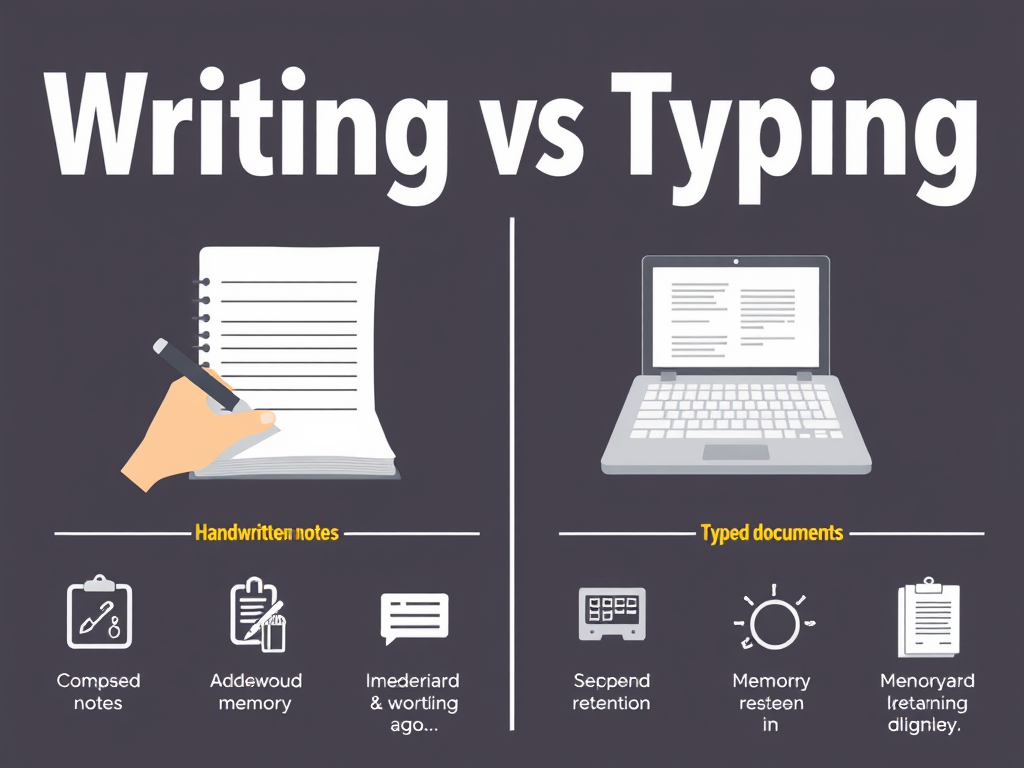
  • Why Handwriting Enhances Memory Retention Over Typing

    Handwriting is the act of writing with a pen or pencil that humans have used for thousands of years, but in recent times has declined due to the rise of technology. Today we will be discussing whether handwriting or typing is better for memory retention.

    Research consistently shows that handwriting is more effective than typing for memory retention and conceptual understanding. The slower process forces your brain to summarize and rephrase information. This engages deeper cognitive processing. It activates wider neural networks and strengthens memory encoding, especially in the brain’s hippocampus. 

    A study done by the European Medical Journal showed that focus increases when writing with a pen. Brain electrical activity is significantly enhanced. This research suggests that the physical act of writing by hand engages different neural pathways, which not only boosts concentration but also fosters a deeper understanding of the material being written. Studies have shown that in lectures, students who take notes by hand are better able to grasp complex ideas, whereas typists tend to focus on recording every word without processing it.  Additionally, the physical act of forming letters provides tactile and spatial feedback, which helps create stronger memory traces in the brain and boost memory skills and memory

     However, typing can also boost memory. Touch typing engages muscle memory, reducing the cognitive effort required to form letters and allowing the brain to focus on organizing, analyzing, and remembering content and frees up memory for higher order tasks.

    Overall, studies indicate that handwriting engages a greater number of neural circuits—motor, sensory, and visual—than typing, resulting in enhanced conceptual understanding and recall. Typing is generally regarded as a more “passive” activity, while writing by hand involves a more “active” cognitive process. Although typing facilitates working memory by allowing for the rapid capture of information, research suggests it is less effective for long-term retention when compared to the deeper, multisensory engagement achieved through handwriting.

  • Harnessing Dream Technology for Better Sleep and Learning

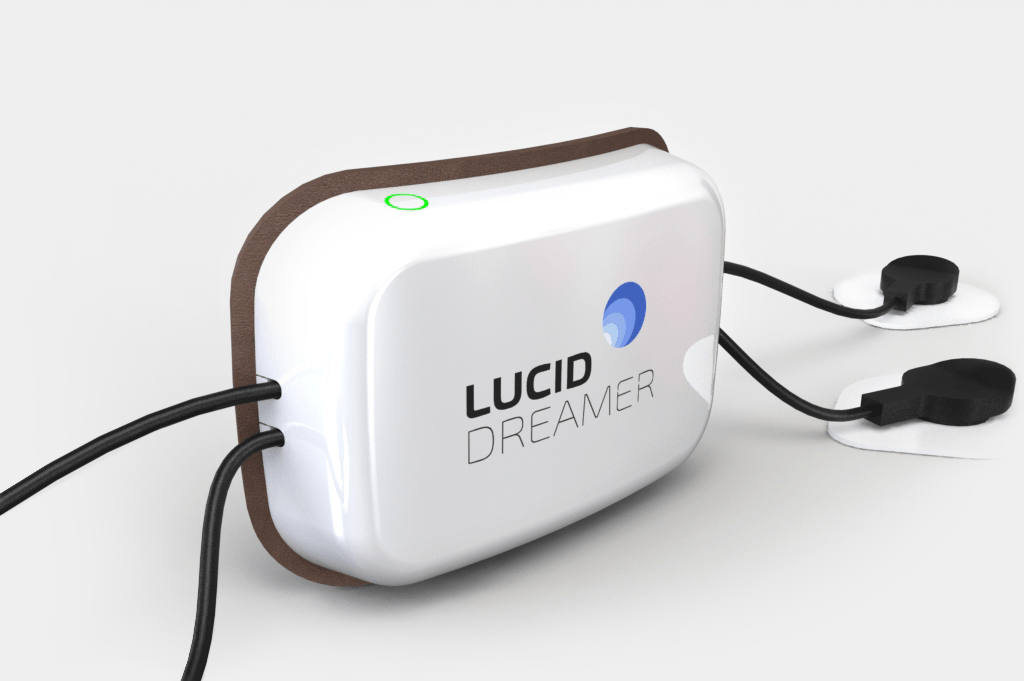
    Dream technology should be used to influence dreams. It will help people have nice sleep and has the potential to improve their lives. By harnessing the power of advanced technology, we can create personalized dream experiences. These experiences are specific for the user’s age group. They help people with stress and will also boost creativity and increase productivity. Overall, this is a revolutionary system which I believe will positively affect us if used correctly.

    However, certain limitations must be added to ensure safe use. There should be a time limit to guarantee users still interact with the real world. Additionally, we should add passwords. This ensures that only the customer can use the dream device. No outside forces would be permitted except for child accounts for parents to monitor dreams.

    Where should it be used?

    I believe it would be best used for education. It would allow students to effectively remember the lessons from the day, thereby enhancing their learning experience. By reinforcing the key concepts taught in class, this method can significantly assist in improving exam scores. Additionally, it encourages students to engage more deeply with the material, fostering a curious and determined atmosphere. This would lead to better careers ,life and productivity. As well, it can improve mental health by relaxing the brain by providing it with peaceful dreams.

    Overall, I believe dream-technology should be used, but carefully with time restrictions to ensure activeness. This world-changing technology will boost test scores and improve well-being of many people. Remember to keep on reading learninglogs.blog for a wide range of interesting topics.

  • Liability for Gas Pipeline Incidents: Who’s at Fault?

    Today, I will be addressing hypothetical questions and debating what the appropriate penalties should be.

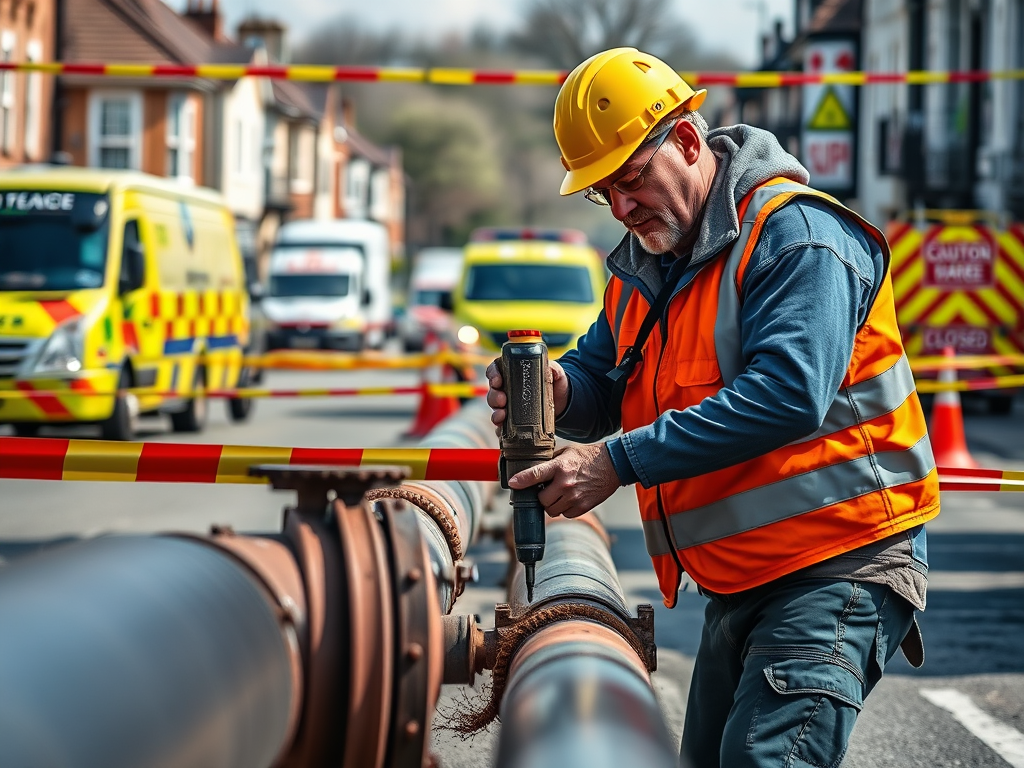
    Let’s imagine that an employee of the gas board carelessly drills through a hole in the gas pipe in the road. The surrounding area has to be evacuated and closed off. Residents can’t access their homes, businesses are forced to close temporarily, and the total damages and losses run into millions of pounds.

    These are the two questions I will be answering.

    ·    Should the gas board or the individual (the employee) be held liable for all the consequences?

    How about if it was a complete accident?

    · 

    I believe the employee should be responsible for the damage caused. In critical industries like gas, every worker has an important role that goes beyond their specific job. When a trained professional who knows how to ensure safety does not follow established rules, significant harm can occur. This level of negligence is not a minor issue and can threaten public safety and environmental integrity. Therefore, the gas worker must be held accountable for the serious damages and major inconveniences caused to the community.

    If the incident was purely accidental, I still advocate for some form of punishment; however, it should be less severe, as we must recognize that everyone is human and prone to making mistakes. It’s crucial to acknowledge that while the actions taken resulted in significant damage affecting not only the individual but also those around them, the consequences extend beyond the individual at fault and can create a ripple effect. Therefore, while accountability is essential, it is equally important to consider the circumstances leading up to the incident and adjust the consequences accordingly.

    I hope you enjoyed my post stay subscribed for more exciting content at learninglogs!

  • Should students be graded on effort and achievement?

    I believe students should be graded for their effort as it encourages people to work hard and try their best, encouraging growth mindset. For example, imagine there is a diligent associate in a law firm. Meanwhile, a lawyer is lethargic. The associate should receive equal pay, if not better. This should similarly apply to schools as a student who does their utmost should be acknowledged for their effort

    What it encourages?

    It promotes a growth mindset, which is essential for personal development and resilience in the face of challenges. By embracing this mindset, students can cultivate the belief that their abilities can be developed. They understand that intelligence can grow through dedication and hard work. By fostering a growth mindset, students learn to appreciate the value of effort and persistence. They start to recognize that setbacks are not indicators of failure. Moreover, cultivating a growth mindset also contributes to better emotional health. They will feel better because their higher scores result from their effort.

    In conclusion, I believe that students should not be judged solely on their academic achievements but also on their efforts and dedication. By considering both aspects, we can create an environment that fosters growth and resilience. This approach will encourage individuals to get better, but it will also support them emotionally.

    Hope you enjoyed the post! We strive to bring you engaging and insightful content on a variety of exciting topics. There’s always something new to discover. Come back for more posts, as we update our blog with fresh ideas you don’t want to miss